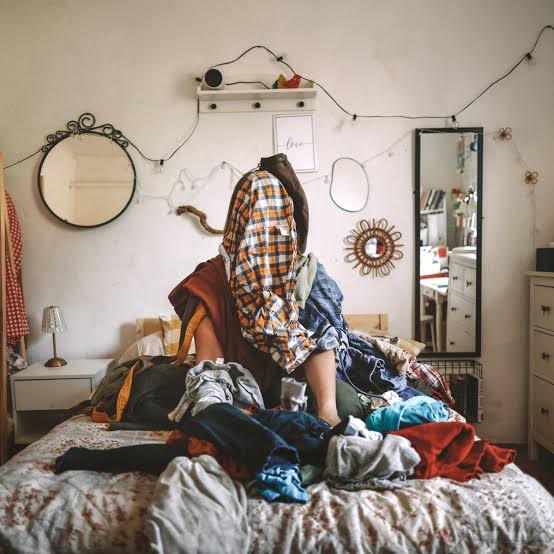
1. Catch the first cup before it has company
One mug on the arm of my sofa is a mug. Three mugs, a shipping box and whatever came in it? Suddenly I have to clean the living room. Once it gets to that point, I don’t want to start. So the moment I’m interested in is the one just before I put cup number two down.
I work from home, which gives me a perfectly good cue several times a day. When I get up to pee, if I’m passing the kitchen, one mug comes along. If the kitchen’s in the other direction, I’ll take the mug when I get a refill. I’m already making that trip, and I get to sit right back down afterward.
Low-energy version. Three cups already there? Take the easiest one to reach on your next kitchen trip.
Photo by Md. Lutfor Rahman on Unsplash.
Take your mug for a refill. The one on the sofa gets a lift before a fresh one comes out of the cupboard.
Try the pee-break pickup. If you pass the kitchen on your way, take the nearest cup along.
Put one coaster on a firm side table. An occupied coaster is your cue to reuse the mug already there.
Pick a workday mug you’ll recognize across the room. When you want coffee, look for that colour first.
Bring a water bottle to your desk in the morning so every glass in the kitchen doesn’t join the afternoon shift.
Keep the teaspoon at the coffee station. Stir before you leave the kitchen.
Drop the tea bag into a dish by the kettle before sitting down. It saves fishing it out on the sofa.
Take the biscuit out of its packet in the kitchen. The wrapper can go straight into the bin.
Serve a crumbly snack on a plate big enough to catch the crumbs. Carry it back when you fetch lunch.
Leave a cloth near your coffee spot. A fresh splash comes off in one wipe.
Move the milk back to the fridge while your coffee brews. It’s an easy job to finish before the first sip.
Going into a video call? Take the cup to the sink on your pre-call kitchen trip.
Give your phone a parking spot away from the coaster so there’s always a stable place to set down a drink.
When a guest leaves, collect the cups while you’re still standing to say goodbye.
If you move from the desk to the sofa, bring the drink you already poured.
Leave space by the sink for one mug. Carrying it back is easier when there’s an obvious place to land it.
Put a sticky note inside the mug cupboard for a week. “Where’s the first one?” works at exactly the right moment.
If a mug is clean except for the coffee ring, give it a quick wash while the kettle heats.
When carrying things is difficult, move just the cup you can hold comfortably on a trip you already need to make.
On a wiped-out evening, clear just the spot where tomorrow’s first coffee will go.
2. Put the hamper on the exact patch where you undress. IF clothing like a zip-up hoodie or jeans can be reworn put it back! No more chairs with piles…
There are clothes on my bathroom floor. The hamper is right there. Apparently, “right there” and “where I take my pants off” are two different places. This is the first change I’m making. I’m moving the hamper to the spot my clothes already hit and leaving it open.
Try it with the next thing you take off. Can you let go and have it land inside? That’s the spot, as long as the door still opens and you can walk through comfortably. If the jeans are staying out because you’ll wear them again tomorrow, give that pair a hook.
Low-energy version. When energy is low, let the clothes drop straight in. Sorting can wait until laundry day.
Photo by Annie Spratt on Unsplash.
Move the hamper onto the patch where you undress, leaving the door and walking route clear.
Take the hamper lid off for a week. See whether the clothes land inside more often.
Hang one hook for jeans you’ll wear again. Our five alternatives to hangers offer more ways to keep those in-between outfits off the floor. Decide where they go as you step out of them.
Put a towel hook within comfortable reach of the shower so the wet towel can hang immediately.
Let a damp swimsuit dry on a rack before adding it to the laundry.
Clip a mesh wash bag to the hamper rim and drop small washable items straight in.
Empty pockets over a little dish as you change. Coins and earbuds never make the trip to the washer.
Put a spare hanger where you change after an event. Hang the outfit while it’s still in your hand.
Keep a separate bag for dry-clean-only pieces if you wear them regularly.
Choose a hamper you can lift comfortably when full. A smaller one may suit you better than a deep basket.
Use two light bags if a full load is awkward to move. Carry one when you’re already going that way.
Give sleepwear a hook on the bedroom side of the door. It’ll be waiting there at bedtime.
Put tomorrow’s outfit together on one hanger so trying things on doesn’t become a morning floor pile.
Return the outfit that lost the audition before putting on your shoes.
Set a timer for when the washer finishes. Name it “move wet clothes” so you know what it means.
Keep a clean basket beside the dryer for days when putting laundry away is a separate job.
Carry the clean basket to the drawer before you start folding. Every folded shirt has a short trip home.
Skip folding things you don’t mind wrinkled. Underwear can go straight into its drawer.
Keep a small mending bag for the loose button or torn hem you discover while dressing.
On a sore or exhausted day, start by keeping your route through the bathroom clear. The folding can wait.
3. Open deliveries beside the place their contents will live
Running a webzine from home means an office delivery can land on the sofa next to me. I don’t have a swag area, so once I open something, the sofa becomes the swag area. I’d like that cushion back.
For anything I still need to photograph or review, I’m trying one open bin marked “To review.” I can lift a sample out of its parcel and put it straight in the bin. A shoebox I already own will do for the trial. The test is whether I can find the sample when I’m ready to shoot it.
Low-energy version. If opening a parcel feels like taking on a job, leave it sealed in the review spot until you need what’s inside.
Photo by Reuben Mansell on Unsplash.
Give new samples an open “To review” bin within reach of where you open deliveries.
Test the spot with a spare shoebox before buying an organizer.
Put a review date on the item when you accept a deadline. Tape a note to the outer packaging.
Keep a sample and its press card together with a rubber band.
Photograph a brand contact’s details before a tiny business card goes missing.
Slip small accessories into a clear pouch so you can find both earrings before a shoot.
Give each upcoming shoot its own tray. Move the whole setup when you need your table back.
Write the next action on a slip of paper. “Shoot the label in daylight” is easier to resume than “finish feature.”
Stand the next item due at the front of the review bin.
Keep loaned items in their protective cases between shoots.
Label borrowed props with the owner’s name while you remember who lent them.
Photograph a flat lay you like before clearing the table. You can rebuild it from the picture.
Keep a washable mat under open beauty samples so a spill travels only as far as the mat.
Collect tester spatulas and brushes in one cup at your work spot.
Write the shade name beside a swatch photo before putting the sample away.
Pack tomorrow’s shoot bag at wrap time while the tripod and clips are still together.
Give finished samples a destination as soon as the story wraps. Return loans to the outgoing spot.
Set the bin’s capacity at one layer if you lose track of anything buried underneath.
When an unexpected package arrives mid-edit, leave it sealed in the intake spot until your break.
If you can manage only one thing today, separate the item with a deadline from everything else.
4. Give the packaging somewhere to go before you open the parcel
The product is only half the delivery. The cardboard and paper can keep me company on the sofa long after I’ve forgotten what was in the box. My easiest chance to deal with them is while the parcel is still in my hands.
For a small delivery, I can open it beside the recycling, put the item in its review bin, and leave the flattened box and recyclable paper where they belong. If I open it on the couch, the empty box can hold its own paper until my next trip. At least I’ve still got one thing to carry.
Low-energy version. If you’re injured or a box is awkward, leave it in a spot clear of the walkway for someone to help with. Today’s version can be as small as gathering the loose paper.
Photo by Kadarius Seegars on Unsplash.
Open parcels beside the recycling when the package is light enough to carry there.
Clear one patch of counter before opening a box so its contents have somewhere to land.
Unpack one parcel fully before cutting into the next.
Use the open box to gather its own loose packing paper.
Check under the flaps for small parts before flattening the carton.
Put assembly hardware in a pouch with the item it belongs to.
Photograph setup instructions you’ll need later before the insert disappears.
If a purchase may go back, tuck the packing slip and inserts into its original box.
Set a reminder for the return decision so the carton has an end date.
Choose one shelf for packaging you genuinely need to keep. Measure the available space before adding another box.
Keep one useful mailer near the outgoing bag if you already have something to send.
Nest reusable padded envelopes inside the largest one and keep only as many as the pouch holds.
Flatten the empty carton while the unboxing scissors are still out.
Store flattened boxes upright in a designated slot so they don’t slide across the floor.
Use one bag for reusable gift tissue. When it’s full, use what’s there before saving more.
Separate loose plastic film from paper as you unpack so you can sort each material locally.
Remove or obscure your address before reusing a labelled mailer.
Add “take cardboard down” to the next planned trip past your building’s collection area.
Ask regular senders to combine samples into one delivery when timing allows.
On an injury day, leave a bulky box clear of the walkway and ask someone to move it on their next trip.
5. Give everything leaving the house one spot in the closet
My brother wants me to mail him a yellow tuque. Guess where it is. I could tidy it into the closet with my own winter hats, and sometime around spring I’d remember why I had it. The useful thing to remember about this particular tuque is that it’s going somewhere.
I’m giving outgoing things one closet spot. A bag marked “Outgoing” can hold the tuque, a return or something borrowed. When a post office run makes it onto my calendar, I can grab the tuque from that bag. And when the next outgoing item lands in my hands, I already know where to put it.
Low-energy version. Putting the tuque in the bag counts. Finding a mailer, writing the address and getting to the post office can be another day.
Photo by Fábio Alves on Unsplash.
Give outgoing items one spot in the closet. The yellow tuque for my brother already has a destination.
Label a bag “Outgoing” on the side you see when you open the door.
Keep outgoing hats separate from winter hats you wear. Their next stops are different.
Put the recipient’s name on an item as soon as you promise to send it.
Ask for the mailing address when you agree to post something so packing can happen in one sitting.
Keep a marker and a roll of tape in the outgoing spot.
Try the item in a mailer before sealing it. A tuque usually needs less packaging than a mug.
Put the address on the parcel before it goes back in the closet.
Attach a return label to its parcel the moment you print it.
Save a drop-off QR code where you can open it easily at the counter.
Put the return deadline in your calendar with time to make the trip.
Name the errand in the reminder. “Mail yellow tuque” gives you something specific to grab.
Hang tickets for the tailor or dry cleaner inside the outgoing bag.
Use a separate inner pouch for things going to the same friend.
When you make dinner plans with that friend, add a private reminder to bring the borrowed item.
Put donations in a carryable bag. Tie it when it’s full so it’s ready to leave.
Group errands by stop. The post office parcels can travel together even if the library book stays home.
If someone offers to help, hand over one addressed, ready-to-go parcel with the drop-off details.
Save the tracking receipt under the recipient’s name before putting your wallet away.
On a low-energy day, just move the item into the closet bag. Mailing it can be tomorrow’s job.