


Cover image — Editorial image credit: BKM 2026.
Saffron syrup combines one of the world’s most prized spices with a simple sweetener base to create a versatile ingredient that offers both culinary appeal and potential wellness advantages. This golden-hued syrup brings together the distinct flavour of saffron threads with the convenience of a liquid form you can easily add to beverages, desserts, and various recipes.
Beyond its use as a flavourful sweetener, saffron syrup carries health benefits tied to saffron’s naturally occurring compounds, including support for mood, antioxidant activity, and anti-inflammatory properties. You’ll discover how this ingredient may contribute to your overall well-being while learning practical methods to prepare it at home. Whether you’re interested in the nutritional aspects or simply want to know the best techniques for making and storing saffron syrup, this guide covers the essential information you need.
1. Health benefit: May improve mood and reduce mild depression symptoms.
If you are going to make sysrup, it may as well boost your mood!
Editorial image credit: BKM 2026.
Saffron has gained attention for its potential to support mental wellbeing, particularly in addressing mild to moderate depression. Research suggests that compounds in saffron may influence neurotransmitters in your brain that regulate mood.
A study involving 202 adults with subclinical depression found that 28 mg daily of saffron extract improved depressive symptoms, mood, and stress over 12 weeks. The participants experienced notable benefits, with those experiencing sleep disturbances seeing particularly significant improvements.
Subclinical depressive symptoms include low mood, fatigue, and anxiety without meeting the full criteria for major depressive disorder. These symptoms can affect your quality of life and may develop into chronic mental health issues if left unaddressed.
Clinical evidence indicates that saffron works by modulating mood and inflammation in your body. The active compounds in saffron, including crocin and safranal, may help regulate serotonin and dopamine levels in your brain.
When you consume saffron syrup, you’re delivering these beneficial compounds in a palatable form that’s easy to incorporate into your daily routine. The syrup format allows for consistent dosing whilst providing the same mood-supporting properties found in supplement forms.
Your response to saffron may vary depending on the severity of your symptoms and individual biochemistry. Research primarily supports its use for mild to moderate symptoms rather than severe clinical depression, which requires professional medical intervention.
2. Health benefit: Antioxidant-rich support for heart and cognitive health
Good for the body and mind! Some studies show it helps focus.
Editorial image credit: BKM 2026.
Saffron syrup delivers concentrated antioxidants that work to protect your body at the cellular level. The spice contains powerful bioactive compounds including crocin, crocetin, and safranal that neutralize harmful free radicals in your system.
These antioxidant properties make saffron particularly valuable for your cardiovascular system. Heart disease remains the leading cause of death globally, which has prompted increased interest in natural compounds that support heart function. Saffron’s anti-inflammatory effects help reduce oxidative stress on your blood vessels and heart tissue.
Your brain also benefits from saffron’s antioxidant activity. The compounds in saffron can cross the blood-brain barrier, where they protect neural cells from damage and support healthy brain function.
Research has examined saffron’s potential for cognitive enhancement and memory support. Studies have compared saffron to standard pharmacologic agents in mood and cognitive disorders, showing promising results in controlled trials. The same bioactive compounds that protect your heart cells also work to preserve cognitive function as you age.
When you consume saffron syrup regularly, you’re providing your body with high levels of antioxidants and anti-inflammatory compounds. This dual action supports both your cardiovascular and neurological systems simultaneously. The syrup form makes it easy to incorporate these protective compounds into your daily routine without the need for supplements.
Your heart and brain are both high-oxygen organs that face constant oxidative stress. Saffron’s antioxidants help counteract this damage, supporting the long-term health of these vital systems through regular consumption.
3. Health benefit: Anti-inflammatory effects that may aid digestion and gut health
Saffron tea can has been used for centuries to help digest after heavy meals.
Editorial image credit: BKM 2026.
Saffron contains bioactive compounds that demonstrate notable anti-inflammatory properties. These compounds, including crocin, crocetin, and safranal, work to reduce inflammation throughout your digestive system.
When you consume saffron syrup, these active ingredients may help calm gut inflammation and protect your stomach lining. The anti-inflammatory and antioxidant properties can support your overall digestive function by reducing inflammatory markers in your gastrointestinal tract.
Research suggests that saffron’s anti-inflammatory effects make it potentially beneficial for conditions like gastritis and inflammatory bowel diseases. Studies have shown that saffron’s bioactive compounds reduce pro-inflammatory cytokines, alleviate oxidative stress, and improve mucosal barrier function in those with Crohn’s disease and ulcerative colitis.
Your gut microbiota may also benefit from regular saffron consumption. The spice has been shown to alter gut bacteria composition in ways that support digestive health, whilst its antioxidant properties help shield your digestive system from oxidative stress.
The anti-inflammatory actions of saffron may reduce low-grade inflammation that contributes to discomfort and indigestion. Research indicates that saffron extracts show promise in regulating gut motility in both animal and small human studies.
For those experiencing irritable bowel syndrome symptoms, saffron may provide relief. The therapeutic effects of saffron have been examined across the entire digestive system, with evidence supporting gastroprotective mechanisms in the stomach, liver, pancreas, and colon.
4. How to make it: Simple saffron syrup — sugar, water, saffron threads, simmer and steep
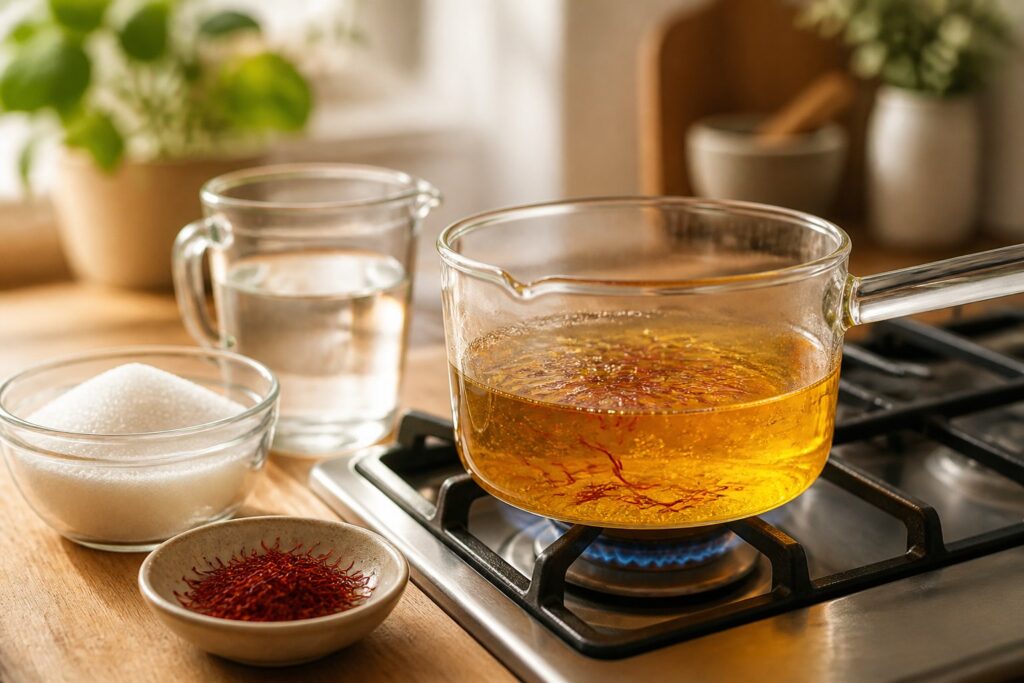
Next rainy day, try this golden elixir, it’s satisfying to watch the spice bleed deep reddish orange into a steep.
Editorial image credit: BKM 2026.
Making saffron syrup at home requires just three basic ingredients: granulated sugar, water, and saffron threads. You can prepare this aromatic sweet infusion in about 10 minutes with minimal effort.
Start by combining equal parts sugar and water in a small saucepan. A ratio of one cup sugar to one cup water works well for most purposes.
Place the saucepan over medium heat and stir the mixture gently until the sugar completely dissolves. You’ll notice the liquid becoming clear as the sugar incorporates into the water.
Once the sugar has dissolved, add a pinch of saffron threads to the syrup. The amount you use depends on how intense you want the flavour and colour to be.
Remove the saucepan from heat after adding the saffron. This prevents the delicate saffron from degrading due to prolonged exposure to high temperatures.
Cover the pan and let the saffron steep for at least 10 minutes. The longer you steep, the deeper the golden colour and the more intense the saffron flavour will be.
Some recipes suggest grinding the saffron threads with a pinch of sugar using a mortar and pestle before adding them to the syrup. This technique helps release more of the saffron’s flavour and colour compounds into the liquid.
After steeping, you can strain out the saffron threads or leave them in for visual appeal. The syrup will have developed a beautiful golden hue and a distinctive floral aroma.
Allow the syrup to cool completely before transferring it to an airtight container. Store it in the refrigerator for up to three weeks to maintain its freshness and flavour.
5. How to make it: Quick saffron infusion — grind threads, steep in hot water 10–15 minutes, mix with honey or agave
Creating saffron syrup at home requires just a few simple steps. The process starts with grinding your saffron threads into a fine powder using a mortar and pestle.
Take 8-10 saffron threads and grind them thoroughly. This step helps release the full flavour and colour compounds from the delicate threads.
Once ground, add about 2 tablespoons of hot water over the threads and let the mixture steep. The water should be hot but not boiling, as excessive heat can damage the saffron’s delicate properties.
Allow the saffron to steep for 10-15 minutes. During this time, you’ll notice the water turning a deep golden-red colour as the saffron releases its compounds.
After steeping, strain the liquid if desired, though many people leave the ground saffron in for added potency. Add honey or agave syrup to taste, typically starting with 1-2 tablespoons and adjusting based on your sweetness preference.
Mix the ingredients thoroughly until the sweetener dissolves completely. You can use the syrup immediately or store it in a sealed container in the refrigerator.
The syrup works well in teas, smoothies, desserts, or simply mixed with water as a drink. This concentrate keeps for about a week when refrigerated, making it convenient to prepare in advance.
For a more concentrated version, you can use less water or more saffron threads. Some recipes call for grinding a big pinch of saffron with 5-7 tablespoons of hot water for larger batches.
Nutritional Profile of Saffron Syrup
Saffron syrup derives its nutritional value primarily from saffron threads, though the base ingredients of sugar and water contribute calories and minimal additional nutrients. The concentration of saffron determines the presence of beneficial compounds, while complementary ingredients like rosewater and cardamom can enhance the overall profile.
Trace Minerals and Vitamins
Saffron contains several essential minerals and vitamins that transfer into the syrup during preparation. Manganese stands out as saffron’s primary mineral, supporting bone health and metabolism.
The spice also provides smaller amounts of iron, magnesium, and potassium. You’ll find vitamin C and B vitamins, including B6, in saffron threads. However, the actual amounts in your syrup depend heavily on how much saffron you use in the recipe.
Most saffron syrup recipes call for a small quantity of threads—typically less than a gram per batch. This means the mineral and vitamin content per serving remains relatively low compared to consuming saffron in concentrated form. The golden colour you see comes from carotenoid compounds like crocin, which possess antioxidant properties beyond basic nutrition.
Synergistic Ingredients
Traditional saffron syrup recipes often incorporate rosewater and cardamom, which add their own nutritional elements. Cardamom contributes essential oils with antimicrobial properties and small amounts of minerals like manganese and iron.
Some variations include basil seeds, which provide fibre, omega-3 fatty acids, and additional minerals when soaked in the syrup. These seeds create a gel-like texture whilst adding protein and healthy fats to each serving.
The sugar base provides quick energy through simple carbohydrates but offers no vitamins or minerals. You can adjust the sweetness level to reduce overall calorie content whilst maintaining the beneficial compounds from saffron and complementary spices. The combination of ingredients creates a beverage that balances traditional flavour with modest nutritional contributions.
Tips for Preserving Quality and Potency
Storing your saffron syrup correctly maintains its vibrant colour, distinctive aroma, and health-promoting compounds for extended periods. Temperature control and proper container selection are the primary factors that determine how long your syrup retains its beneficial properties.
Proper Storage Methods
Store your saffron syrup in airtight glass containers or metal tins with secure lids to prevent oxidation and moisture exposure. Dark, cool storage locations help preserve the syrup’s essence and prevent degradation of its active compounds.
Keep your syrup at temperatures between 15 and 20 degrees Celsius for optimal preservation. Refrigeration extends shelf life significantly, especially after opening the container.
Airtight metal containers with secure lids are excellent choices that block air, moisture, and light effectively. Glass jars work equally well provided they’re stored away from direct sunlight.
Avoid storing your syrup near heat sources, windows, or areas with temperature fluctuations. Humidity should remain around 40% to prevent moisture-related degradation.
Shelf Life and Freshness Indicators
Properly stored saffron syrup maintains its quality for 3 to 6 months when refrigerated. Unopened syrup stored in ideal conditions can last slightly longer.
Check for these freshness indicators before use:
- Colour: Vibrant golden-yellow or amber tones indicate freshness
- Aroma: Strong, distinctive saffron scent without any off-odours
- Clarity: Clear syrup without cloudiness or sediment buildup
- Taste: Sweet with pronounced saffron flavour, not sour or fermented
Discard your syrup if you notice mould growth, unusual cloudiness, fermented smells, or significant colour fading. These signs indicate spoilage and potential bacterial growth.
Label your containers with preparation dates to track freshness accurately. Small-batch preparation ensures you’re always using syrup at peak potency.