

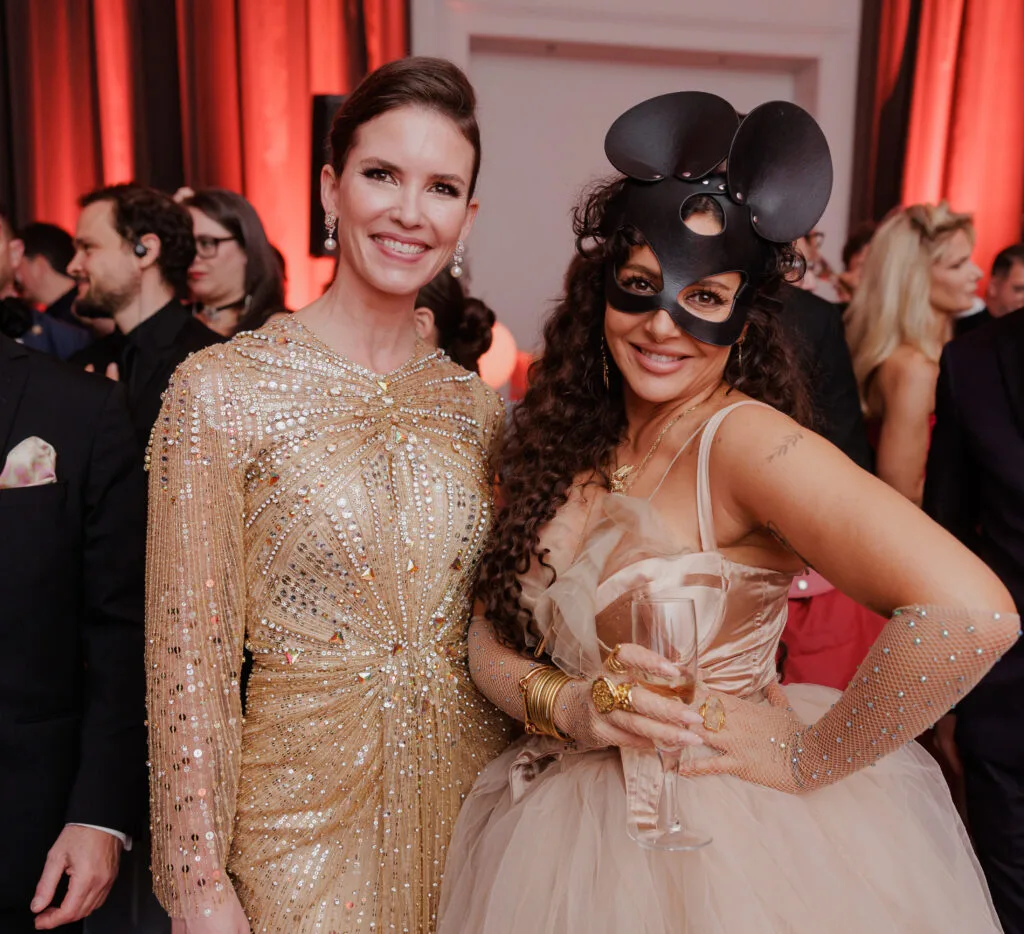
The Montreal Museum of Fine Arts Ball, a gala synonymous with grandeur and generosity, celebrated its 63rd edition on November 18, setting a new benchmark in museum philanthropy. Attended by 1000 guests, the MMFA Ball surpassed expectations, raising a record-breaking amount of over $2 million.
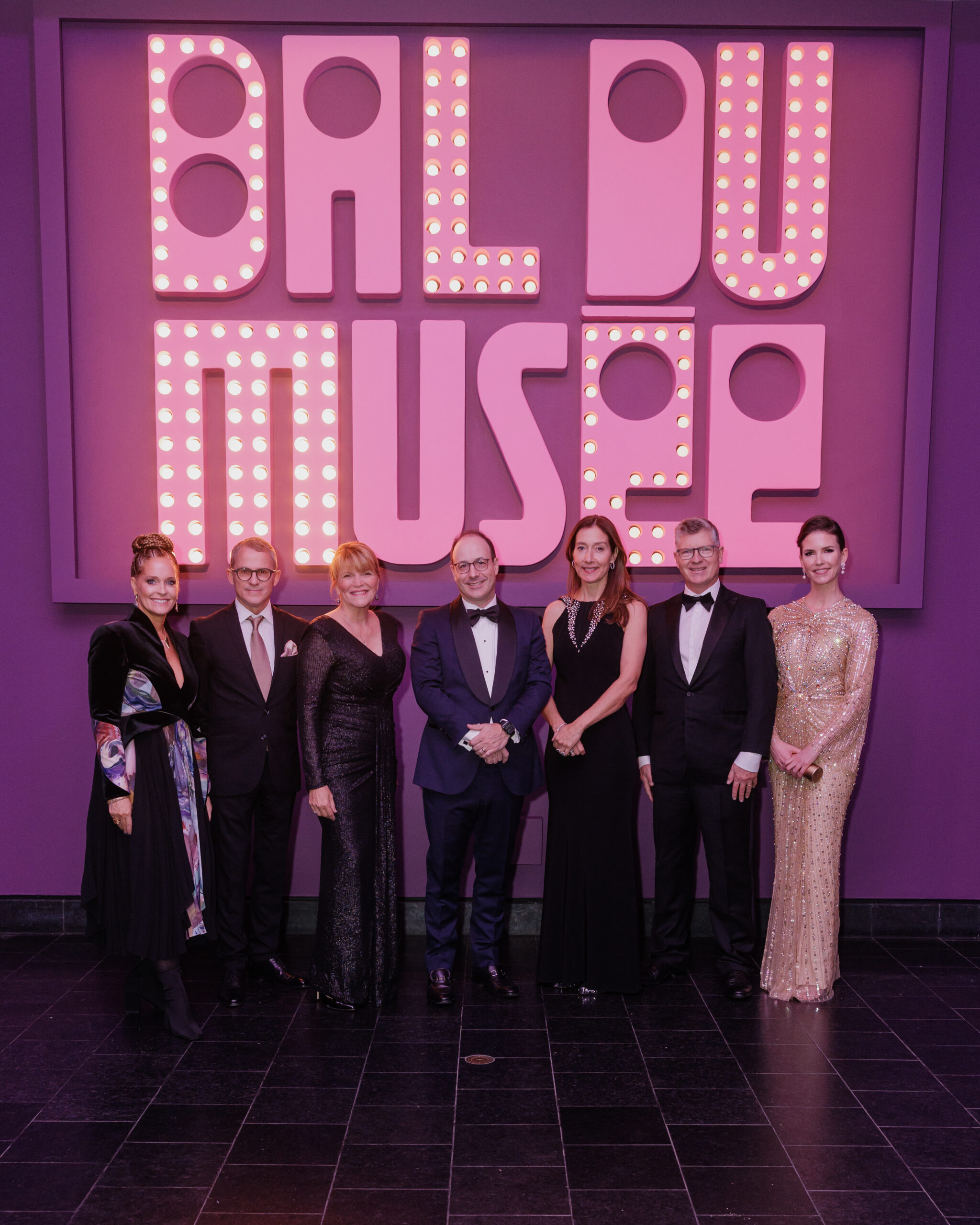
From left to right: Jo-Anne Duchesne, Director General of the MMFA Foundation; Stéphane Aquin, MMFA’s Director; Sylvie Demers, President of the MMFA Foundation; Charles Emond, Museum Ball’s Honorary Co-Chair and President and CEO of the CDPQ, and France Margaret Bélanger, Museum Ball’s Honorary Co-Chair and President, Sports and Entertainment of Club de hockey Canadiens; André Dufour, President of the MMFA; and Mary-Dailey Desmarais, MMFA’s Chief Curator | Photo Frédéric Faddoul
This year’s theme paid homage to Marisol Escobar, the iconic Venezuelan-American sculptor of the 1960s and 70s, transforming the event into a journey through time and imagination. Co-chaired by Charles Emond and France Margaret Bélanger, the evening began with an exclusive preview of the Marisol: A Retrospective exhibition.

MMFA Ball 2023 | Photo Alexandre Pittet
Guests were then treated to a culinary delight, a gourmet meal showcasing Quebec’s finest products. The menu, a creation of Gabriel Molleur-Langevin from the Champlain Restaurant of Fairmont Le Château Frontenac, was expertly executed by Armando Arruda and his team at the Fairmont The Queen Elizabeth.

MMFA Ball 2023 | Photo Frédéric Faddoul
The transformation of the Museum’s gallery space into a 1960s and 70s wonderland was the handiwork of Valentine Hinfray and Alexandra Briand-Soucy.
How Casizoid Explores the Evolution of Online Casino Regulations in Canada
Canada’s online gambling landscape has undergone significant transformation over the past two decades, evolving from a fragmented regulatory environment to a more structured framework that balances consumer protection with market growth. Understanding this evolution requires examining the interplay between federal legislation, provincial authority, and the technological advancement that has reshaped how Canadians engage with online casinos. Casizoid has emerged as a valuable resource for tracking these regulatory changes, providing comprehensive analysis of how different jurisdictions across Canada have adapted their approaches to online gambling oversight.
The Foundation of Canadian Online Gambling Regulation
The regulatory framework governing online casinos in Canada originates from the Criminal Code of 1892, which established the federal government’s authority over gambling matters. However, a pivotal amendment in 1985 granted provinces the power to license and operate gambling activities within their territories. This decentralization created a unique regulatory environment where each province developed its own approach to online gambling, resulting in a patchwork of regulations that continues to define the Canadian market today.
British Columbia became a pioneer in 2010 when it launched PlayNow.com, the first legal online casino platform operated by a provincial government. This marked a watershed moment in Canadian gambling history, demonstrating that provinces could successfully manage online gambling operations while maintaining regulatory oversight. Quebec followed suit in 2012 with Espacejeux, and Ontario launched OLG.ca in 2015. These provincial platforms represented the first wave of legitimate online gambling options for Canadian players, though they operated within monopolistic frameworks that limited consumer choice.
The federal government maintained its role by enforcing provisions of the Criminal Code that technically prohibited online gambling operations not conducted by provincial governments. This created a legal gray area where offshore gambling sites operated without explicit permission but faced minimal enforcement action. For years, Canadian players accessed international gambling platforms while provinces struggled to compete with the variety and incentives offered by these offshore operators. This tension between provincial monopolies and the reality of a global online gambling market set the stage for the regulatory reforms that would follow.
The Ontario Model and Regulatory Innovation
Ontario’s decision to open its online gambling market to private operators in April 2022 represented the most significant regulatory shift in Canadian gambling history. The Alcohol and Gaming Commission of Ontario (AGCO), working with iGaming Ontario (iGO), established a licensing framework that allowed international operators to legally serve Ontario residents. This move away from the provincial monopoly model acknowledged the reality that players were already accessing offshore sites and sought to bring these activities under regulatory supervision.
The Ontario framework established rigorous standards for operator licensing, requiring comprehensive background checks, financial stability assessments, and adherence to responsible gambling protocols. Operators must implement player protection measures including deposit limits, self-exclusion options, and reality checks that remind players of time spent gambling. The regulatory structure also mandates that operators contribute to problem gambling research and treatment programs, ensuring that market liberalization doesn’t come at the expense of public health considerations.
Resources like the Casizoid official site have become increasingly important for both players and industry observers seeking to understand how Ontario’s regulatory experiment is unfolding. By documenting which operators have received licenses, analyzing compliance requirements, and tracking enforcement actions, such platforms provide transparency in a rapidly evolving market. The Ontario model has attracted dozens of licensed operators, generating substantial tax revenue while providing consumers with legal alternatives to unregulated offshore sites.
Other provinces have watched Ontario’s approach with considerable interest. While some jurisdictions remain committed to their provincial monopoly models, others are evaluating whether competitive licensing frameworks might better serve their populations. Saskatchewan and Manitoba have explored potential reforms, while Alberta has engaged in public consultations about its gambling regulatory future. The success or failure of Ontario’s model will likely influence regulatory decisions across Canada for years to come, making it a crucial case study in gambling policy evolution.
Responsible Gambling and Consumer Protection Standards
As online gambling regulations have evolved, responsible gambling measures have become central to regulatory frameworks across Canada. Modern licensing requirements mandate that operators implement comprehensive player protection systems that go beyond simple age verification. These include sophisticated algorithms that identify potentially problematic gambling behavior, mandatory training for customer service staff to recognize and respond to problem gambling signs, and integration with provincial self-exclusion registries.
The Canadian Gaming Association has worked with provincial regulators to establish national standards for responsible gambling, even as regulatory authority remains provincially divided. These standards address advertising restrictions, particularly regarding the targeting of vulnerable populations, and require that promotional materials include responsible gambling messaging. Operators must also ensure that players have access to their gambling history, enabling informed decision-making about their activities.
Casizoid’s documentation of regulatory developments includes detailed analysis of how different jurisdictions implement responsible gambling requirements. This comparative approach reveals significant variation in standards, with Ontario’s framework generally considered among the most comprehensive. For instance, Ontario requires operators to offer players the ability to set deposit, wager, and loss limits before they begin gambling, while some provincial platforms implement these features less prominently. Such differences highlight ongoing debates about the appropriate balance between personal freedom and protective regulation.
The integration of technology in responsible gambling measures represents another area of regulatory evolution. Artificial intelligence and machine learning tools now enable real-time identification of risky gambling patterns, allowing operators to intervene before players experience significant harm. Regulators increasingly require operators to deploy these technologies, though questions remain about their effectiveness and the appropriate thresholds for intervention. As research continues to develop understanding of online gambling behavior, regulatory standards will likely continue evolving to incorporate new protective measures.
Future Directions and Emerging Challenges
The evolution of online casino regulations in Canada faces several emerging challenges that will shape the next phase of development. Cryptocurrency gambling presents regulatory complexities, as the pseudonymous nature of blockchain transactions conflicts with know-your-customer requirements central to anti-money laundering efforts. Some offshore operators accept cryptocurrency deposits, creating enforcement challenges for Canadian regulators seeking to channel gambling activity toward licensed platforms.
Cross-border harmonization represents another significant challenge. The current patchwork of provincial regulations creates inefficiencies for operators and confusion for consumers. A player traveling from Ontario to Quebec encounters different legal frameworks, different licensed operators, and different player protection standards. While provincial autonomy over gambling remains politically entrenched, there may be opportunities for greater regulatory coordination that preserves provincial authority while establishing common standards for consumer protection and operator conduct.
The relationship between online gambling and sports betting continues to evolve following the 2021 legalization of single-event sports wagering. This change dramatically expanded the legal sports betting market, and many jurisdictions have integrated sports betting into their online gambling frameworks. The convergence of casino gambling and sports betting on unified platforms raises questions about cross-product player protection measures and whether different forms of gambling require distinct regulatory approaches.
Technological advancement will continue challenging regulators to adapt their frameworks. Virtual reality casinos, skill-based gambling games, and social casino applications that blur the line between gambling and gaming all present regulatory questions that existing frameworks may not adequately address. Regulators must balance innovation that enhances player experience with protections that prevent exploitation, a tension that will require ongoing policy development as technology continues evolving.
The evolution of online casino regulations in Canada reflects broader tensions between provincial autonomy and national coordination, between consumer protection and market freedom, and between traditional regulatory approaches and technological innovation. Casizoid’s comprehensive tracking of these developments provides valuable perspective on how different jurisdictions navigate these challenges, offering insights that inform both policy development and public understanding. As the regulatory landscape continues maturing, the lessons learned from Canada’s diverse approaches will contribute to global conversations about effective online gambling oversight.
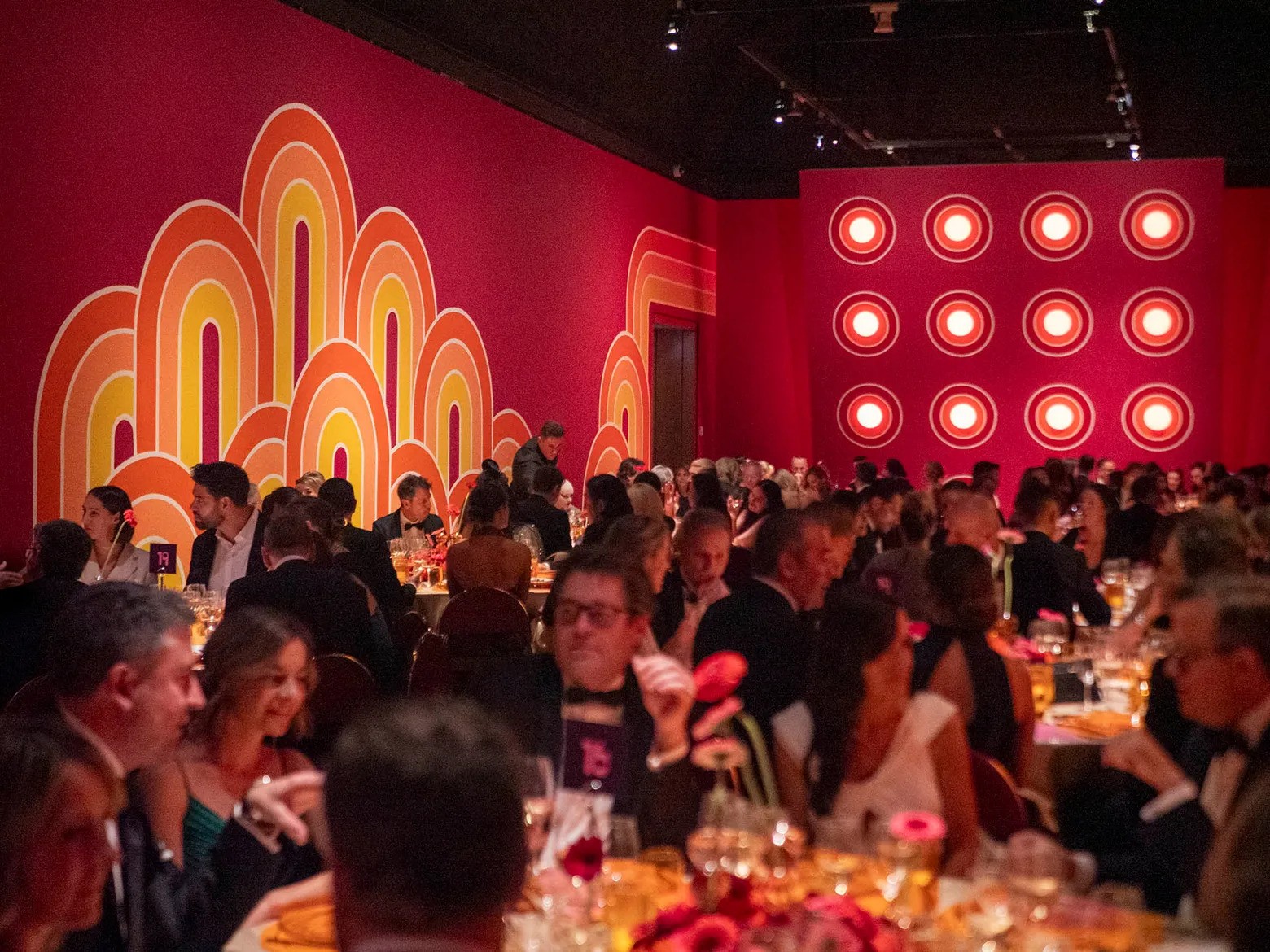
MMFA Ball 2023 | Photo Alexandre Pittet
Their artistic vision was complemented by the architectural expertise of NÓS, as well as the contributions from artists like Cyndie Belhumeur, Nicolas Grenier, and the artful vandal MissMe.
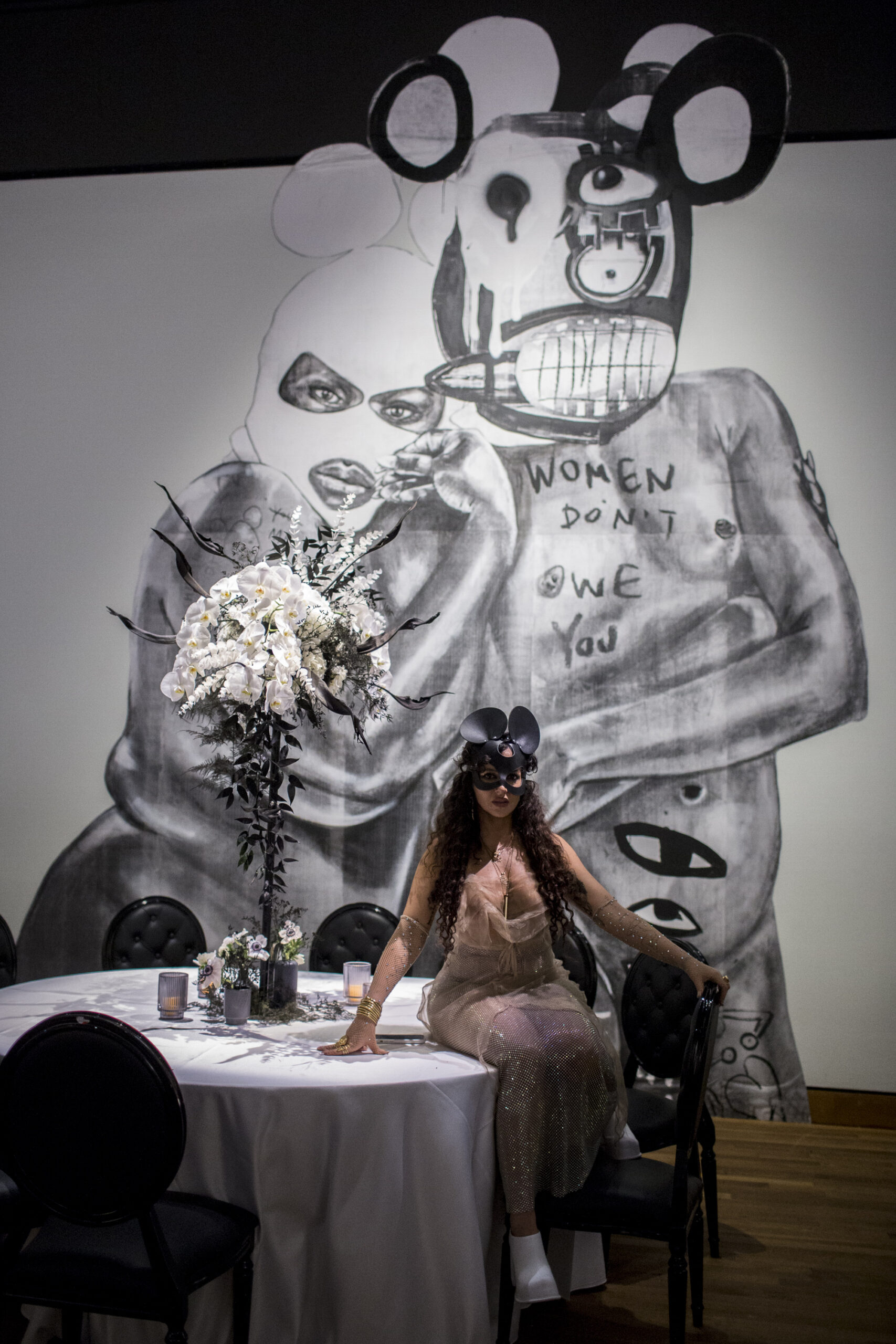
Artist MissMe with her mural in one of the dinning halls of MMFA Ball 2023 | Photo Sébastien Roy

MMFA Ball 2023 | Photo Alexandre Pittet
As Jo-Anne Duchesne, MMFA Foundation Director General, was happy to tell us; the MMFA Ball is not just an evening of elegance and entertainment; it’s a lifeline for the museum. As a non-profit, the MMFA relies heavily on self-financing, with over 50% of its budget coming from such events. The success of this gala is a testament to Montreal’s thriving art scene and the community’s unwavering support.

MMFA After-Ball 2023 | Photo Alexandre Pittet
The night was a dazzling display of Montreal’s commitment to the arts. It was an evening where culture, cuisine, and philanthropy met, creating an unforgettable experience. The event’s achievement is a reminder of the power of community and the vital role of art in society. You can see great shots of the Museum Ball in our mysterious photo album!

MMFA Ball 2023 | Photo Alexandre Pittet
Here is what you need to know about the MMFA Ball
Founded in 1860, the Montreal Museum of Fine Arts (MMFA) is the oldest art museum in Canada and a leading museum in North America. Its collection showcases Quebec and Canadian heritage and international art from a critical and intercultural perspective, and comprises more then 45,000 paintings, sculptures, graphic art works, photographs, multimedia installations and decorative art objects dating from antiquity to the present.

MMFA Ball 2023 | Photo Alexandre Pittet
The annual Museum Ball is a fundraising event that is vital to maintaining the operations and activities of the Museum which, since it is a non-profit organization, must rely on self-financing to fund nearly 60% of its operating budget. Over $2 million in net proceeds were raised this year. These funds will enable the enhancement of the collection, the presentation of major exhibitions, the development of numerous educational and wellness programs, and the realization of other initiatives.

MMFA Ball 2023 | Photo Alexandre Pittet
For those eager to be part of this grand tradition, tickets for the next MMFA Ball are already available. Contact baldumusee@mbamtl.org to reserve your spot.
Featured image credit: Mary-Dailey Desmarais and MissMe | Photo Frédéric Faddoul
NEXT: SAQ Inspire Event | A Celebration of Champagne at Maison Principale