

The Ultimate Montreal Heatwave Survival Guide: Cooling, Hydration & Wellness
Montreal summers can feel relentless, but you can stay safe and comfortable with a few smart moves. Keep cool by planning your day around the heat, using shady or air-conditioned spaces, drinking water often, and watching for signs of heat illness. You will find clear steps to protect yourself and those you care for, whether you’re at home, outside, or moving through the city.
This guide shows how Montreal’s heat works, which warnings matter, and where to find cool public spaces like pools, libraries, and shaded parks. You will learn simple safety actions, how to spot heat-related problems, and practical tips for daily life during a heat wave.
Understanding Montreal’s Summer Heat
You will face high daytime temperatures, heavy humidity, and multi-day heat warnings in July. Know how Environment Canada defines heat, how humidex affects how hot it feels, and why recent trends raise health risks.
What Defines a Heat Wave in Montreal
A heat wave in Montreal generally means several consecutive days of unusually high temperatures. Environment Canada issues heat warnings when daytime highs reach about 30–33°C with little overnight relief. Officials also watch multi-day stretches because heat that builds over several days gives bodies less time to recover.
Local factors matter: urban concrete and limited night cooling can keep neighbourhoods hotter than nearby suburbs. You should watch official warnings, but also note how your area feels—lack of shade, top-floor apartments, and no air conditioning raise your personal risk.
Role of Humidex During Extreme Heat
Humidex combines temperature and humidity to show how hot it actually feels. When humidex values climb above 40°C, your body loses cooling efficiency and heat stress rises quickly. A humidex of 40 means the air feels much hotter than the thermometer number alone.
High humidity slows sweat evaporation, so you may feel weak, dizzy, or nauseous sooner. Pay attention to humidex warnings, drink water regularly, avoid strenuous outdoor work midday, and use cooling strategies like fans combined with cool showers or public cooling centres.
Recent Heat Wave Trends and Risks
Heat waves in Montreal have been arriving earlier and happening more often in recent years. City and health reports link multi-day events to more hospital visits for heat exhaustion and, in some cases, heat-related deaths. Vulnerable groups—older adults, infants, people with chronic illness, and those without AC—face the highest risk.
You should check local alerts during July and July-long stretches. Monitor neighbors who live alone, plan low-activity schedules during peak heat, and learn early signs of heat illness: headache, nausea, rapid breathing, or confusion. Public cooling sites, libraries, and pools open during major events; use them if your home gets too hot.
Essential Safety Precautions
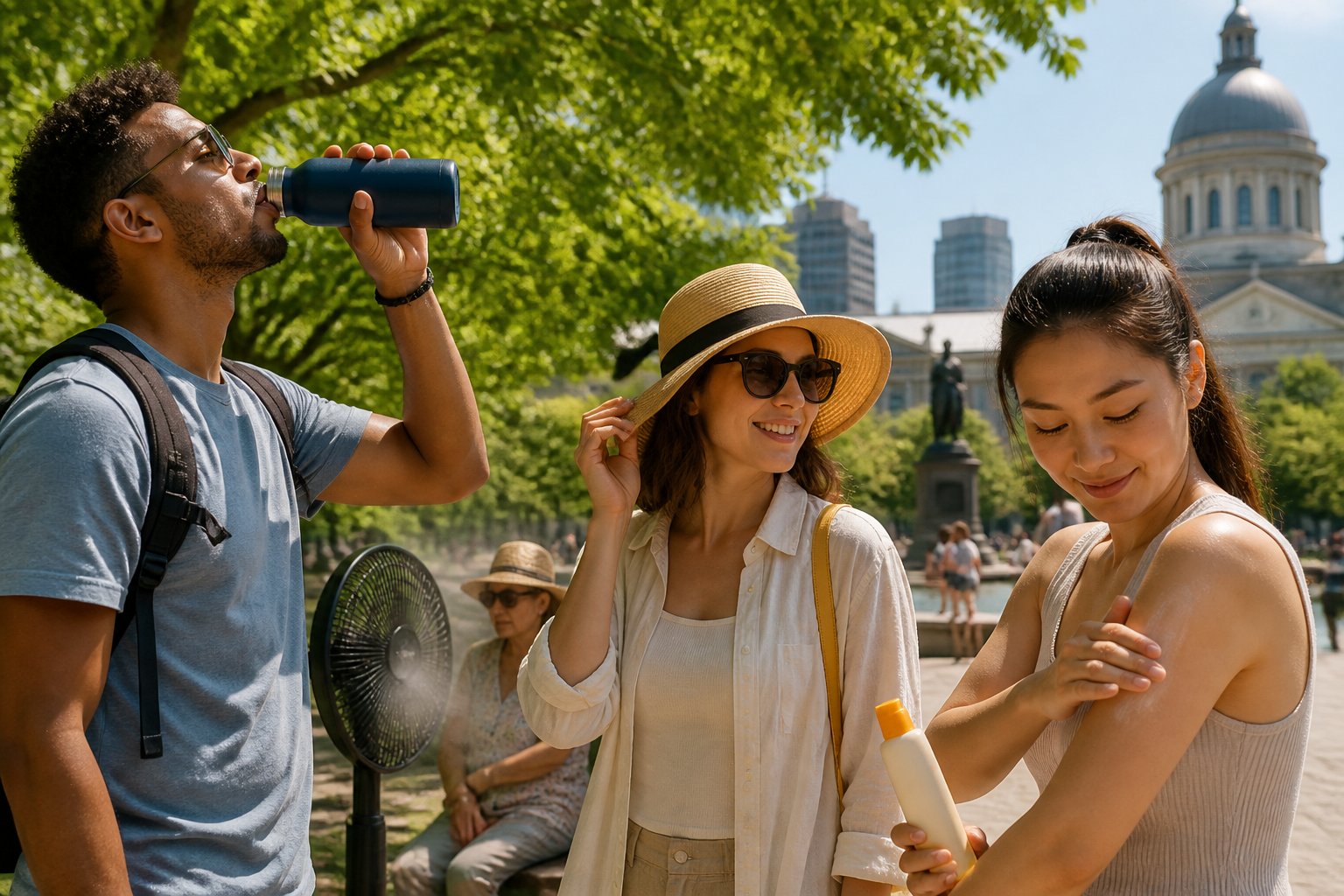
Make sure to also protect your skin during a heatwave. That hot cement, is an indicator the the UV is also high!
You should focus on drinking enough fluids, keeping your body and living spaces cool, and cutting back on hard work or exercise during the hottest hours. Small, concrete habits make the biggest difference for preventing heat illness.
Strategies to Stay Hydrated
Drink water often, even if you do not feel thirsty. Aim for regular sips — about a cup (250 mL) every hour when you are outside in the heat. Carry a refillable bottle and set phone reminders if you forget.
Avoid drinks with lots of sugar, alcohol, or high caffeine; they can make you lose more fluid. If you sweat heavily for long periods, use an electrolyte drink or add a pinch of salt to water to replace salts lost through sweat.
Check urine color to gauge hydration: pale straw is ideal; dark yellow means you need more fluids. Watch children, older adults, and people on certain medicines closely — they may not notice thirst and can dehydrate quickly.
Effective Ways to Stay Cool Indoors and Outdoors
At home, run air conditioning if possible and close blinds on sun-facing windows during the day. If you don’t have AC, visit a public cooling centre, library, pool, or shopping mall. Use fans plus open windows at night when outdoor air is cooler.
Outside, move to shade, use a wide-brim hat, and wear loose, light-coloured clothing made of breathable fabric. Take frequent breaks indoors or in shaded areas every 20–30 minutes when doing errands or standing in sun.
Use cold compresses on pulse points (neck, wrists, temples) and take cool showers to lower body temperature quickly. Check local alerts for heat warnings and air quality updates before planning time outside.
Limiting Physical Activity in Extreme Heat
Postpone strenuous work and exercise to early morning or after sunset when temperatures drop. If you must work outside, shorten shifts, rotate tasks, and schedule regular rest and hydration breaks indoors or in shade.
Lower intensity and shorten workouts — choose walking instead of running, or do indoor, low-impact exercise in a cooled room. Know signs of heat illness: heavy sweating, weakness, dizziness, nausea, or confusion mean stop activity and seek a cool place immediately.
If you care for others, reduce their activity too. Protect older adults, infants, and people with chronic illness by keeping them in cool spaces and watching for changes in behaviour or fluid intake.
Recognizing and Responding to Heat-Related Illnesses
Know how to spot early dehydration and heat exhaustion, recognize the signs of heat stroke, and act fast with first-aid steps and emergency contacts. Take clear, specific steps to cool the person, rehydrate safely, and call 911 if needed.
Early Warning Signs: Dehydration and Heat Exhaustion
Watch for dry mouth, dark yellow urine, dizziness, and less urine than usual. You may feel tired, nauseous, or have muscle cramps. Skin can be cool and sweaty or warm and clammy.
If you suspect dehydration or heat exhaustion, move the person to shade or an air-conditioned place right away. Loosen tight clothing and have them sip water or an oral rehydration drink—avoid alcohol or large amounts of sugary drinks. Use cool, wet cloths on the neck and wrists, or a fan, to lower body temperature.
Check every 15 minutes. If symptoms improve in 30–60 minutes, keep hydrating and resting. If vomiting, confusion, fainting, very high pulse, or worsening symptoms appear, treat it as a more serious emergency and follow the next subsection.
Identifying Symptoms of Heat Stroke
Heat stroke is a life-threatening emergency. Key signs: very high body temperature (often above 40°C/104°F), confusion, slurred speech, loss of consciousness, and seizures. Skin may be hot and dry, or still sweaty in some cases.
Do not wait. If you see these symptoms, assume heat stroke and act immediately. Note the time symptoms started and any medications the person takes. These details help emergency responders.
Immediate Actions and Emergency Response
Call 9-1-1 immediately for suspected heat stroke. While waiting, begin rapid cooling: move the person to shade or inside, remove excess clothing, and apply cool water with cloths or pour water over their body. Place ice packs on the neck, armpits, and groin if available.
Keep the airway clear and check breathing and pulse. If the person is conscious and able to swallow, give small sips of water only. Do not give full baths unless you can continuously monitor and transfer to emergency care. Stay with the person, monitor vital signs, and inform dispatch about the person’s age, symptoms, medical conditions, and exact location.
Protecting Vulnerable Groups
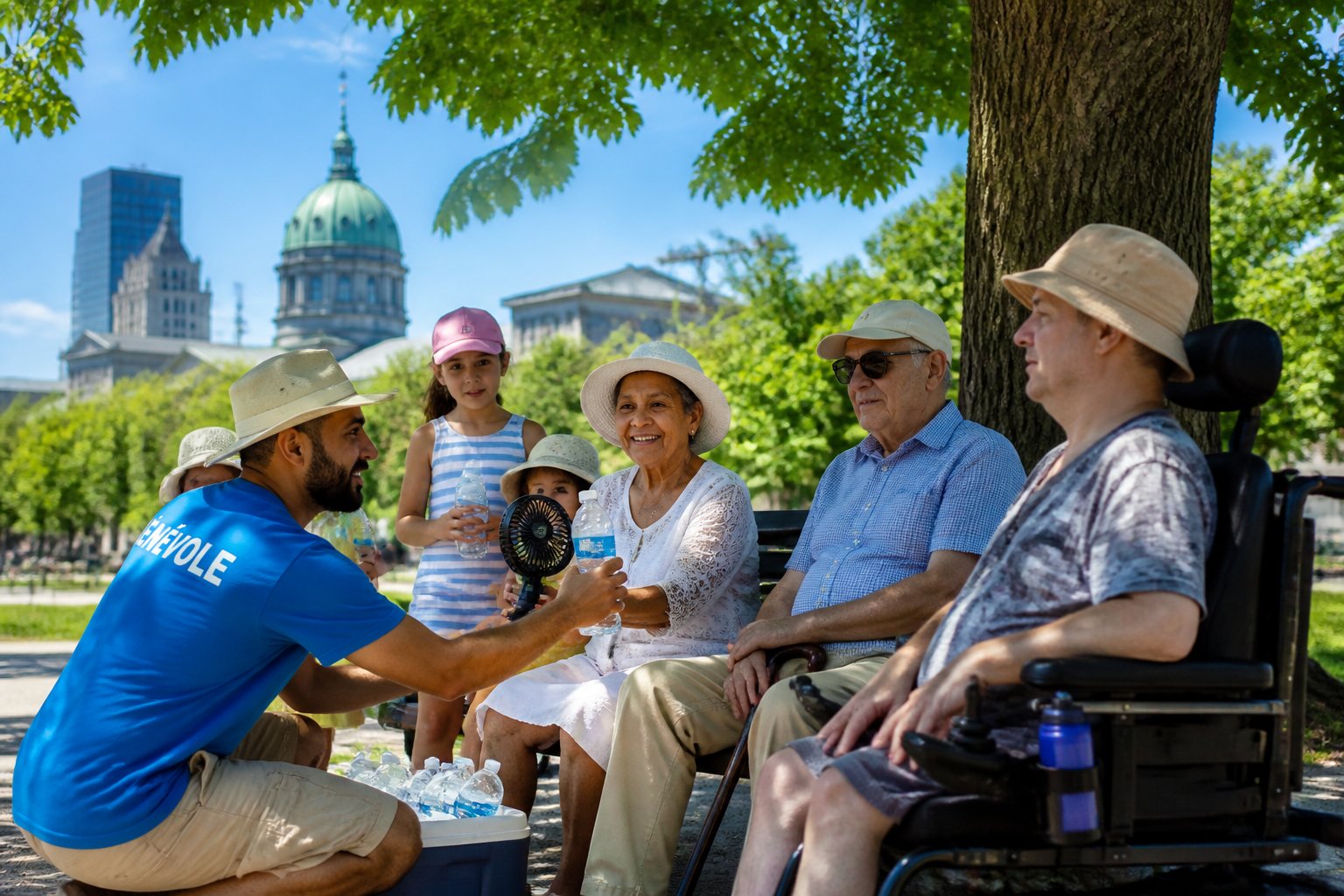
Make sure high-risk people have cool places, plenty of fluids, and a clear plan for heat emergencies. Check indoor temperatures, know warning signs of heat stroke, and arrange transport to cooling sites if needed.
Heightened Risks for Seniors and Children
Seniors and young children cannot regulate body temperature well. Keep seniors in air-conditioned rooms or cooled public spaces during the hottest hours (usually 2–8 p.m.). For children, never leave them in a parked car; temperatures climb to dangerous levels within minutes.
Watch for slow or rapid breathing, confusion, dizziness, or loss of consciousness—these can be signs of heat stroke. Offer water often; avoid sugary or caffeinated drinks. Use cool towels, take cool showers, and dress them in light, loose clothing. If someone shows signs of heat stroke, call emergency services and move them to shade or an air-conditioned area while you cool their skin.
Safeguarding Those With Chronic Conditions
People with heart disease, diabetes, respiratory illness, or who take certain medications face higher danger in extreme heat. Review medication effects—some drugs reduce sweating or change fluid balance—and talk to a pharmacist if you’re unsure about heat risks.
Plan frequent check-ins, make extra water and electrolyte options available, and keep cooling devices nearby. If air conditioning isn’t an option, identify nearby cooling centers, libraries, or malls and plan transit. Monitor symptoms like chest pain, severe shortness of breath, rapid heartbeat, or altered mental status, and seek immediate medical help for those signs.
Checking on Neighbors and Isolated Individuals
Identify neighbors who may be alone, older, or have mobility limits. Create a short checklist: visit or call twice daily during heat waves, confirm they have working fans or AC, and ensure they can access water and shade.
Share local cooling resources and transportation options. If someone cannot cool down, arrange a ride to a cooling center or call emergency services. Keep contact info for local authorities or community hotlines handy and document any health changes you notice.
Cooling Options and Public Resources
Find cool indoor spaces, splash areas, and simple home fixes to stay cool during a Montreal July heat wave. Use free cooling centres, city pools, shaded parks, and smart home steps to reduce heat and protect your health.
Free Cooling Sites and Air-Conditioned Spaces
Montreal opens free cooling sites during heat waves. Look for public libraries, community centres, and designated cooling centres listed on the city’s map. These places usually offer seating, water fountains, and restrooms. Check hours online or call 311 before you go.
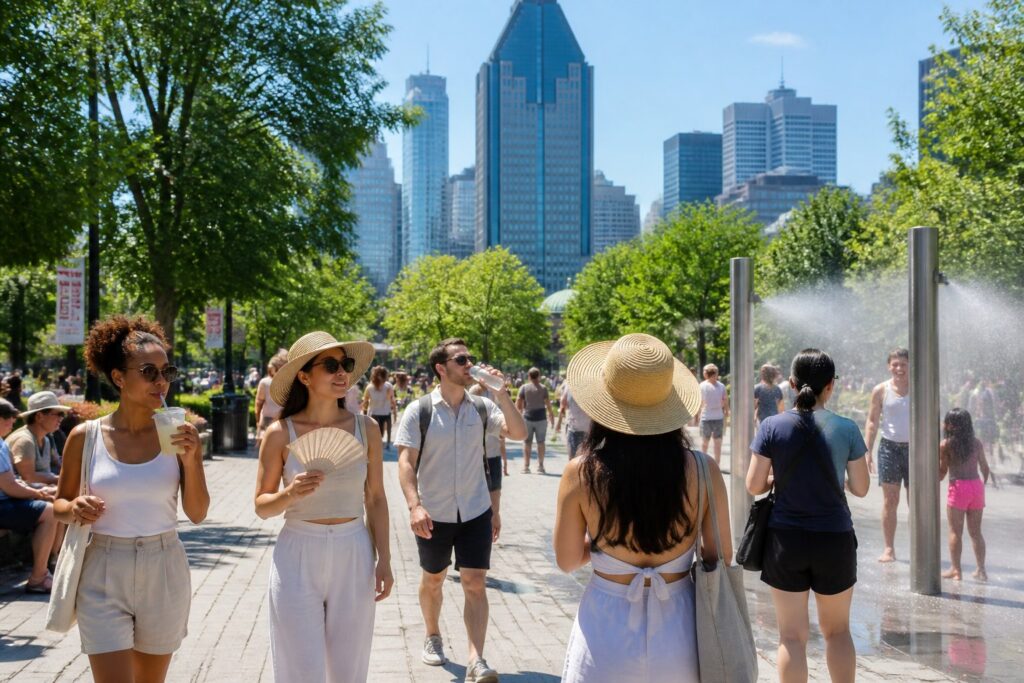
Look for fountains and spraying urbam architecture, they are everywhere in parcs!
Bring a face mask if you prefer extra protection and a bottle of water. If you rely on medication or mobility aids, confirm accessibility and seating options. Plan transport: many sites are reachable by STM buses and Metro, and some parks have nearby stops.
Using Parks, Pools, and Water Features
Parks with dense shade and tree cover stay noticeably cooler than paved areas. Visit Mount Royal, Parc Jean-Drapeau, or local neighbourhood parks with big trees to lower sun exposure. Seek early morning or late-afternoon times when temperatures dip.
City pools and splash pads provide quick cooling and are often open longer during heat waves. Check the Ville de Montréal pool schedule for extended hours and free swim times. Beaches like Plage Jean-Doré offer wading and shade; supervise children and follow lifeguard rules.
Home Cooling Tips for Apartments and Houses
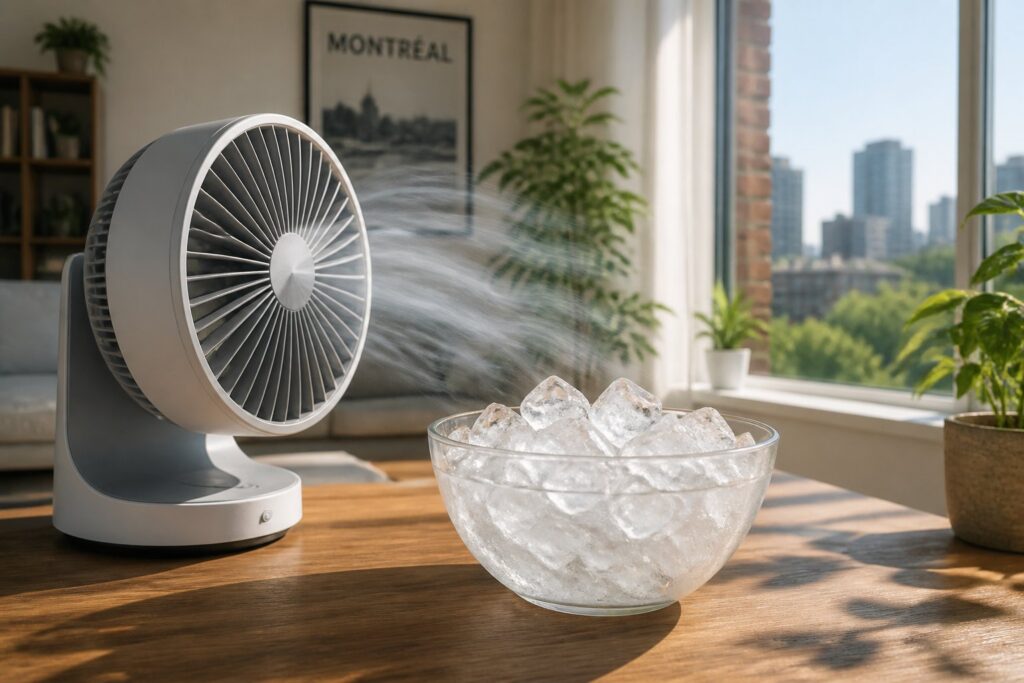
Close blinds and curtains on sunny windows during the day to block heat. Use a fan to boost airflow; place a shallow bowl of ice in front of the fan for cooler air. Run exhaust fans in kitchens and bathrooms to remove hot, humid air after cooking or showering.
Create a cool sleeping setup: open lower windows at night if outdoor air is cooler, and use a fan aimed at your bed. Avoid using the oven or dryer in peak heat. If you have an air conditioner, set it to 24–26°C to balance comfort and energy use; check filters and seal gaps around windows to improve performance.
Practical Tips for Everyday Heat Survival
Keep your body temperature down, drink regularly, and adjust daily routines to avoid peak heat. Make small changes to clothing, food, and home setup so you can stay cool and safe during a heat wave.
Optimal Clothing and Protective Gear
Wear light-colored, loose-fitting clothes made of breathable fabrics like cotton or linen. These let air move and help sweat evaporate so you stay cooler. Choose short sleeves or roll-up sleeves and wide necklines to improve airflow.
Use a wide-brim hat and UV-blocking sunglasses when you’re outside. Apply a broad-spectrum sunscreen (SPF 30+) to exposed skin and reapply every two hours if you sweat. Consider a damp bandana or cooling neck wrap; keep it in a cooler for extra effect.
For evenings, change into dry clothes as soon as you can to avoid staying in sweat-soaked fabric. If you must work in the sun, schedule breaks in shade every 20–30 minutes and wear light gloves if you handle hot surfaces.
Safe Food and Hydration Choices
Drink water steadily—aim for small sips every 15–30 minutes when active outside. Keep a reusable water bottle on you and refill often. Avoid drinks high in sugar, alcohol, or caffeine because they can dehydrate you faster.
Eat light meals: salads, fruits (watermelon, cucumber), cold soups, and yogurt. These foods provide fluid and electrolytes without making your body work hard to digest heavy meals. If you exercise or sweat a lot, include salty snacks or an oral rehydration solution to replace lost salts.
Store perishable food properly. Keep your fridge at or below 4°C (40°F). On very hot days, limit time food sits out to under one hour. When cooking, favor no-cook or microwave recipes to avoid heating your home.
Managing Pets and Household Safety
Give pets constant access to fresh, cool water and shaded areas. Bring animals indoors during peak heat. Walk dogs early morning or late evening when pavement and air temperatures are lower.
Never leave pets or children in a parked car—even with windows cracked. Car interiors heat rapidly and become deadly within minutes. Check on elderly neighbors and anyone with health risks; offer water, a fan, or a cool place to rest.
For those cooler nights, go out and enjoy some live music at a free festival!