

TL;DR:
- Old Montreal is a vibrant neighborhood that combines centuries-old architecture with modern art, culture, and community life. Its historic landmarks, diverse architectural styles, and continuous use by residents distinguish it from typical preserved districts. Visitors are encouraged to slow down and explore beyond landmarks to truly experience its layered, authentic character.
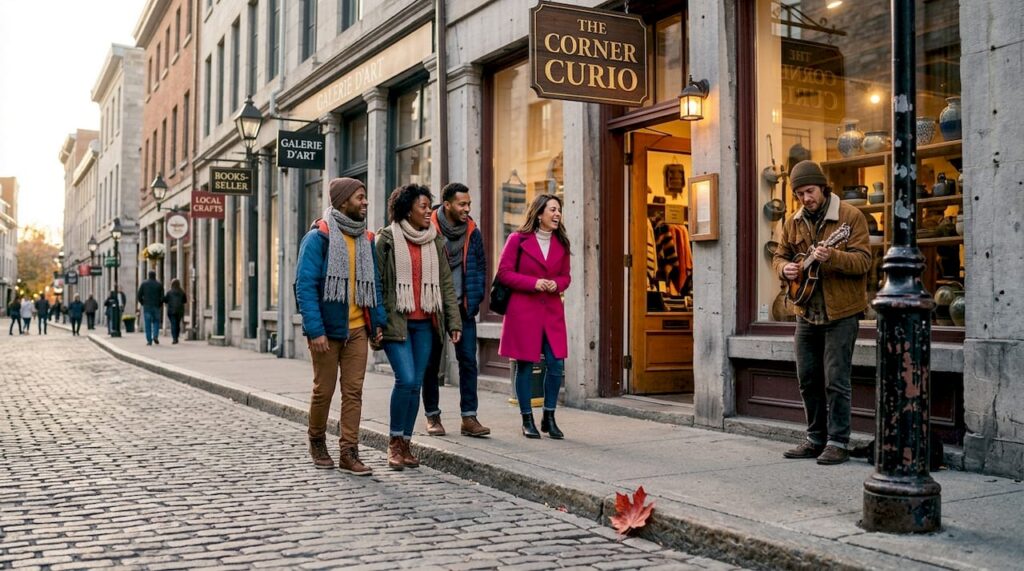
Old Montreal is one of those places that most people think they already understand. You’ve seen the cobblestone streets on Instagram, maybe walked past the Notre-Dame Basilica on a weekend trip, and assumed you had the full picture. But this neighborhood is far more layered than its postcard reputation suggests. It’s a living, breathing district where 17th-century stone walls meet contemporary galleries, where locals linger over long dinners on terraces, and where every alley holds a story most visitors never stop to hear. Let us show you what’s really here.
Table of Contents
- Layers of history: Old Montreal’s origins
- Architectural charm: Distinctive styles and hidden courtyards
- Art and culture: Festivals, galleries, and creative spaces
- Culinary discoveries: Unique dining experiences
- Why Old Montreal’s uniqueness is often misunderstood
- Explore more of Old Montreal with Best Kept MTL
- Frequently asked questions
Key Takeaways
| Point | Details |
|---|---|
| Layers of history | Old Montreal’s historic roots and landmark buildings create a unique blend of cultures. |
| Architectural diversity | Distinct styles and hidden courtyards make every street visually engaging. |
| Vibrant cultural life | Festivals and creative events keep Old Montreal’s art scene energized year-round. |
| Signature dining | Locals and visitors alike enjoy unique restaurants and terraces found only in Old Montreal. |
| More than tourism | Its enduring charm comes from the lively community and ongoing urban discoveries. |
Layers of history: Old Montreal’s origins
Having outlined the article’s scope, let’s begin by exploring the deep historical roots that set Old Montreal apart from any other neighborhood in North America.
Old Montreal, known in French as Vieux-Montréal, was founded in 1642 when Paul de Chomedey de Maisonneuve established the settlement of Ville-Marie on the shores of the St. Lawrence River. That founding moment set the tone for everything that followed: a place built on ambition, faith, and a fierce will to survive.
“Old Montreal is not a museum. It is a neighborhood that has been continuously inhabited, contested, rebuilt, and reimagined for nearly four centuries.”
The area’s most iconic landmarks carry that weight of history visibly:
- Notre-Dame Basilica (110 Notre-Dame St W): Completed in 1829, this Gothic Revival masterpiece holds over 3,000 worshippers and features an interior so richly decorated it feels like stepping inside a jeweled box. The blue-vaulted ceiling alone is worth the entrance fee.
- Place Jacques-Cartier: This sloping public square has been a gathering place since 1804. Street performers, flower vendors, and café terraces fill it from spring through fall, creating a scene that feels both timeless and alive.
- Château Ramezay: Built in 1705, this former governor’s residence now operates as a museum, offering one of the most detailed windows into colonial-era Montreal life.
- The Old Port (Vieux-Port): Stretching along the riverfront, this area was once the commercial heartbeat of Canada. Today it hosts markets, cycling paths, and seasonal events.
Here’s a quick look at key historical milestones:
| Year | Event |
|---|---|
| 1642 | Founding of Ville-Marie by de Maisonneuve |
| 1705 | Construction of Château Ramezay |
| 1829 | Completion of Notre-Dame Basilica |
| 1804 | Place Jacques-Cartier established as a market |
| 1979 | Old Montreal designated a historic district |
What makes this history feel different from other preserved districts is the continuity. People still live here. Businesses still operate in buildings that predate the American Revolution. The stones underfoot are original. That’s rare.
Architectural charm: Distinctive styles and hidden courtyards
Old Montreal’s history is best experienced through its built environment, so let’s see how its architecture sets it apart from any other urban district in Canada.
The neighborhood is a rare collision of architectural eras. You’ll find French colonial stone buildings sitting comfortably beside Victorian commercial warehouses, with the occasional bold modern intervention slipped between them. Walking one block can feel like flipping through three centuries of design philosophy.
Here’s how some of the major architectural styles compare:
| Style | Key Example | Era | Defining Feature |
|---|---|---|---|
| Gothic Revival | Notre-Dame Basilica | 1820s | Pointed arches, ornate interior |
| French Colonial | Château Ramezay | Early 1700s | Thick stone walls, steep rooflines |
| Victorian Commercial | Rue Saint-Paul warehouses | Late 1800s | Cast-iron facades, large windows |
| Modern Intervention | Pointe-à-Callière Museum | 1992 | Glass and steel over archaeological site |
To experience the architecture properly, here’s the best approach:
- Start at Place d’Armes and take in the visual contrast between Notre-Dame Basilica and the surrounding bank buildings from the early 20th century.
- Walk east along Rue Saint-Paul, the oldest commercial street in Montreal. The ground floors are now galleries and restaurants, but the bones of these buildings are pure 19th century.
- Slip into the hidden courtyards tucked behind buildings on streets like Rue Saint-François-Xavier. These quiet interior spaces feel like secret gardens in the middle of the city.
- Cross into the Old Port and look back at the skyline from the water’s edge for a perspective that most visitors never see.
- End at Pointe-à-Callière, where the museum is literally built over the archaeological remains of the original settlement.
Pro Tip: Visit during golden hour, roughly 45 minutes before sunset, when the warm light turns the gray limestone facades into something that glows like amber. The shadows on Rue Notre-Dame during this window are genuinely extraordinary for photography.
Art and culture: Festivals, galleries, and creative spaces
Just as architecture defines Old Montreal’s visual allure, its art and cultural offerings fuel the area’s creative spirit in ways that surprise even longtime residents.
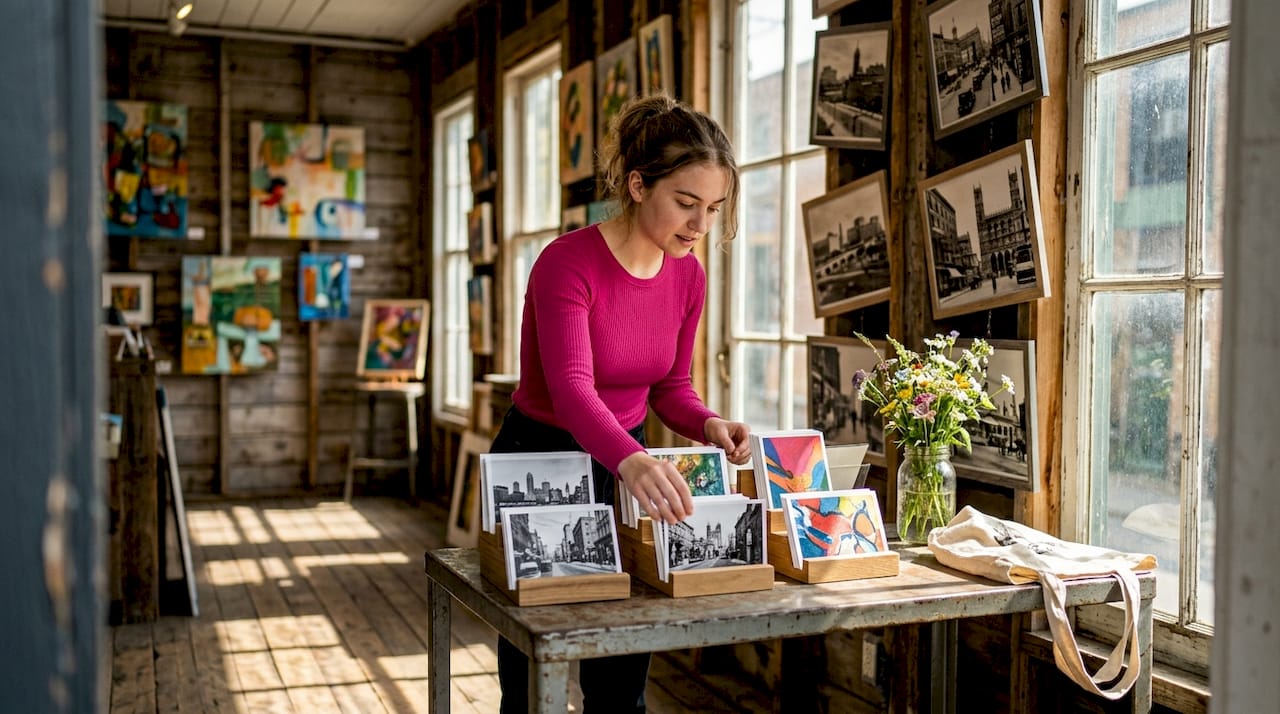
Old Montreal punches well above its size when it comes to cultural programming. The neighborhood hosts dozens of events annually, from intimate gallery openings on Rue Saint-Paul to large-scale Montreal cultural events that draw international crowds. The creative energy here is genuine, not manufactured for tourism.
Key cultural highlights include:
- Galerie de Bellefeuille and several other contemporary galleries along Rue Saint-Paul that showcase both established and emerging Quebec artists
- Pointe-à-Callière Museum, which blends archaeology, history, and interactive storytelling in a way that feels genuinely modern
- The Phi Centre, a multidisciplinary arts space that hosts film, music, digital art, and performance under one roof
- Street art installations scattered through the neighborhood, many commissioned as part of broader city arts initiatives
- MUTEK and other sound art festivals that use Old Montreal’s historic venues as atmospheric backdrops for electronic and experimental performances
Food culture and festival culture overlap beautifully here. Events like the Chợ Đêm Montreal food festival bring culinary creativity into public spaces, turning the streets into open-air dining experiences. And if you’re planning around Grand Prix season, Old Montreal becomes one of the most electric places in the city, with pop-up events and exclusive gatherings filling every corner.
The arts scene here isn’t seasonal. Even in January, you’ll find gallery openings, live jazz drifting out of basement bars, and film screenings in converted heritage spaces. This neighborhood creates culture year-round.
Culinary discoveries: Unique dining experiences
With art and festivals explored, let’s discover how Old Montreal’s food culture adds another layer to its distinct character, one that locals guard with quiet pride.
The dining scene in Old Montreal has matured significantly over the past decade. It’s no longer just tourist-facing brasseries and overpriced crêpes. Today, you’ll find serious kitchens run by chefs who chose this neighborhood intentionally, drawn by the atmosphere and the clientele who appreciate craft.
Some experiences worth seeking out:
- Outdoor terraces along Rue de la Commune: The best terraces in Montreal offer views of the Old Port with menus that match the setting. These spots fill up fast on warm evenings, so arrive early or book ahead.
- Marcella, a new Italian diner in Old Montreal that brings the warmth of a neighborhood trattoria to a heritage stone building. The pasta is made in-house, and the wine list is thoughtfully curated.
- Seasonal tasting menus at several fine dining spots that change with Quebec’s agricultural calendar, featuring local producers and ingredients you won’t find anywhere else.
- The hottest restaurants in Montreal include several Old Montreal addresses that have earned national attention for their approach to local ingredients and creative technique.
Pro Tip: Locals eat later than tourists. If you want to dine where residents actually go, aim for a 7:30 or 8:00 PM reservation. The energy shifts noticeably after the tourist crowds thin out, and the service becomes more relaxed and personal.
The neighborhood also rewards slow mornings. Several small cafés along Rue Saint-Paul and Rue McGill serve exceptional espresso and pastries to a crowd of architects, gallery owners, and writers who work in the area. These spots don’t advertise. You find them by walking.
Why Old Montreal’s uniqueness is often misunderstood
Now that we’ve explored the highlights, let’s challenge some common beliefs about what truly makes Old Montreal unique.
Most people treat Old Montreal as a backdrop. They come for the photos, the basilica, maybe a nice dinner, and then they leave. And that’s a shame, because what makes this neighborhood genuinely special isn’t its landmarks. It’s the fact that it’s still in use.
Other historic districts in North America have been hollowed out, turned into open-air museums where the architecture is preserved but the life has been extracted. Old Montreal resisted that fate. Architects live in converted warehouses. Designers run studios in 300-year-old buildings. Families have apartments above galleries. The neighborhood has achieved something rare: adaptive reuse that didn’t sacrifice community.
We’ve spent years exploring Montreal’s sensory landscape and what keeps drawing us back to Old Montreal is this specific quality of layering. The past isn’t behind glass here. It’s the floor you walk on, the wall your table leans against, the window frame that’s been repainted a hundred times.
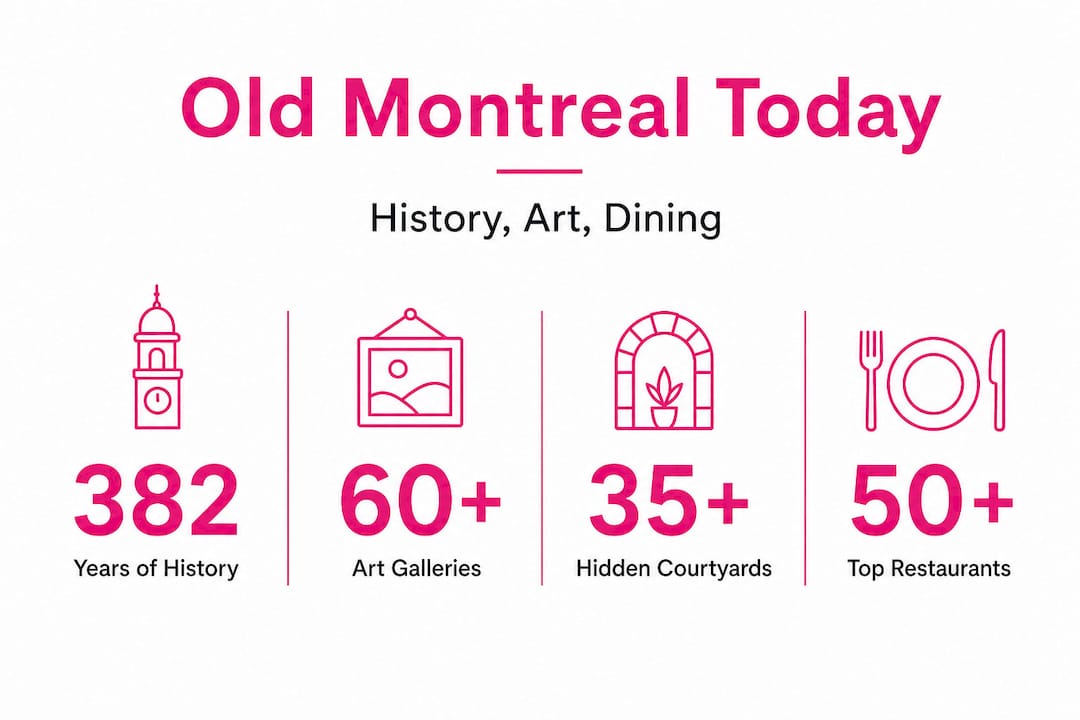
The mistake most visitors make is treating Old Montreal as a checklist. See the basilica, check. Walk the cobblestones, check. The neighborhood rewards the opposite approach: slow down, take a wrong turn, sit somewhere without a plan. That’s when the real character reveals itself.
Explore more of Old Montreal with Best Kept MTL
To put your discoveries to practical use, here’s how Best Kept MTL can help you experience Old Montreal’s uniqueness firsthand.
We’ve spent years curating the best of what this city has to offer, and Old Montreal sits at the heart of that work. Whether you’re looking for a new Old Port seafood restaurant to anchor your evening, or you want a personalized guide to the neighborhood’s hidden galleries and terraces, we’ve got you covered. Our guides are written by people who actually live here, eat here, and explore here constantly. If you want tailored recommendations or have questions about planning your visit, reach out to us and we’ll point you in exactly the right direction.
Frequently asked questions
What are the must-see landmarks in Old Montreal?
The Notre-Dame Basilica, Place Jacques-Cartier, and the Old Port are essential stops for anyone visiting Old Montreal. Château Ramezay and Pointe-à-Callière Museum round out a genuinely rich historical itinerary.
Where can I find unique art galleries in Old Montreal?
Several contemporary galleries and creative spaces are scattered throughout Old Montreal, especially near Rue Saint-Paul. The Phi Centre is also a standout destination for multidisciplinary art.
Are there any annual festivals that make Old Montreal special?
Yes, Old Montreal is home to several annual cultural events spanning food, arts, and music that draw both locals and visitors. The Chợ Đêm food festival is a particularly exciting addition to the calendar.
What makes the architecture of Old Montreal unique?
Old Montreal features a blend of Gothic Revival, French colonial, and modern styles, along with hidden courtyards and preserved stone facades that span nearly four centuries of design history.
What are the best places to eat in Old Montreal?
Old Montreal offers many signature restaurants and dining experiences, from elegant terraces overlooking the Old Port to intimate Italian diners tucked into heritage buildings. Locals recommend booking ahead for the best spots.